At 7–8+ figures…Growth stops being about finding the next “hack.”
Growth is about building a repeatable system
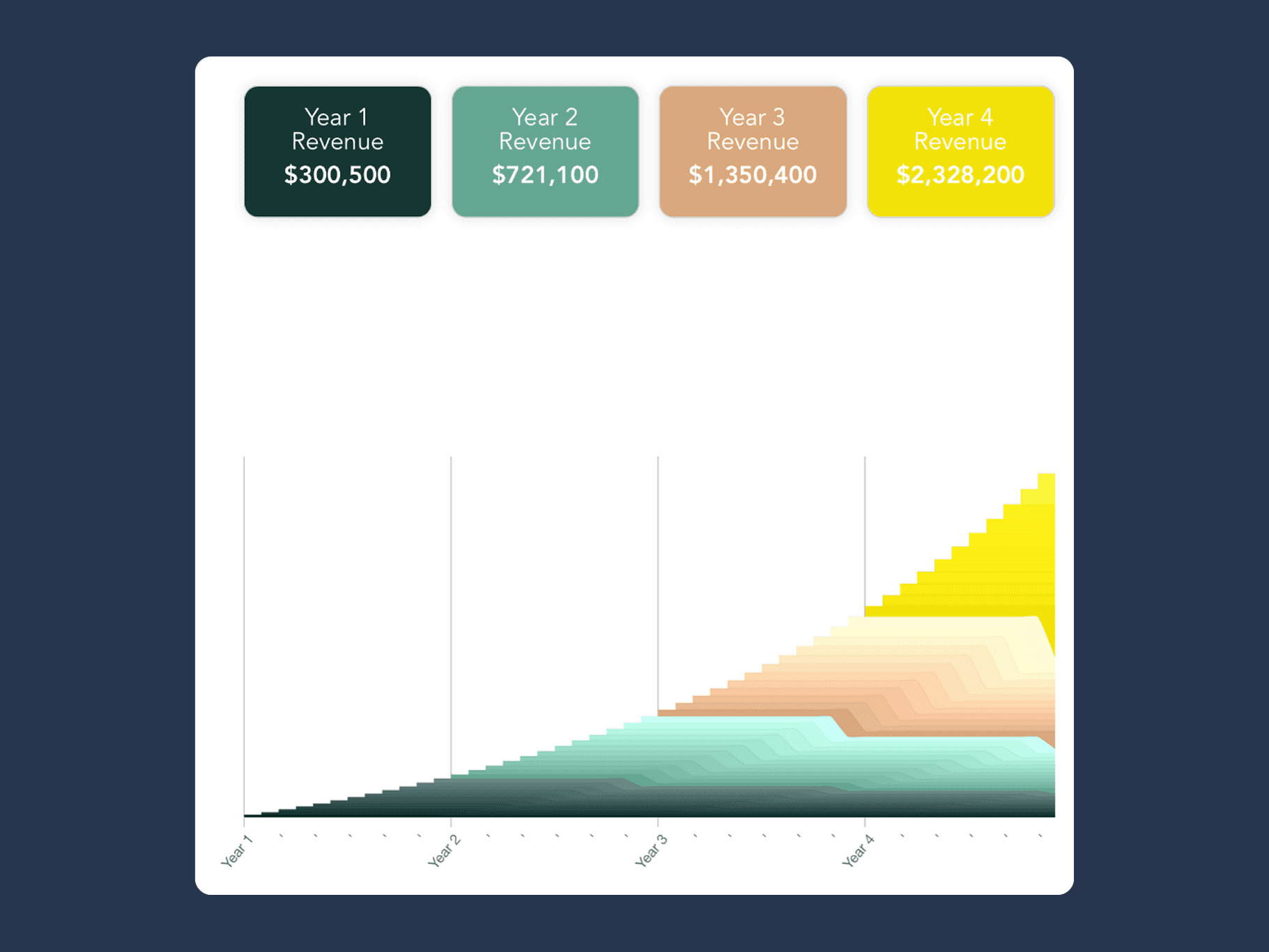
— Proven across $1B+ in eCommerce revenue · Over $100M generated to date —
The Teams It Helps

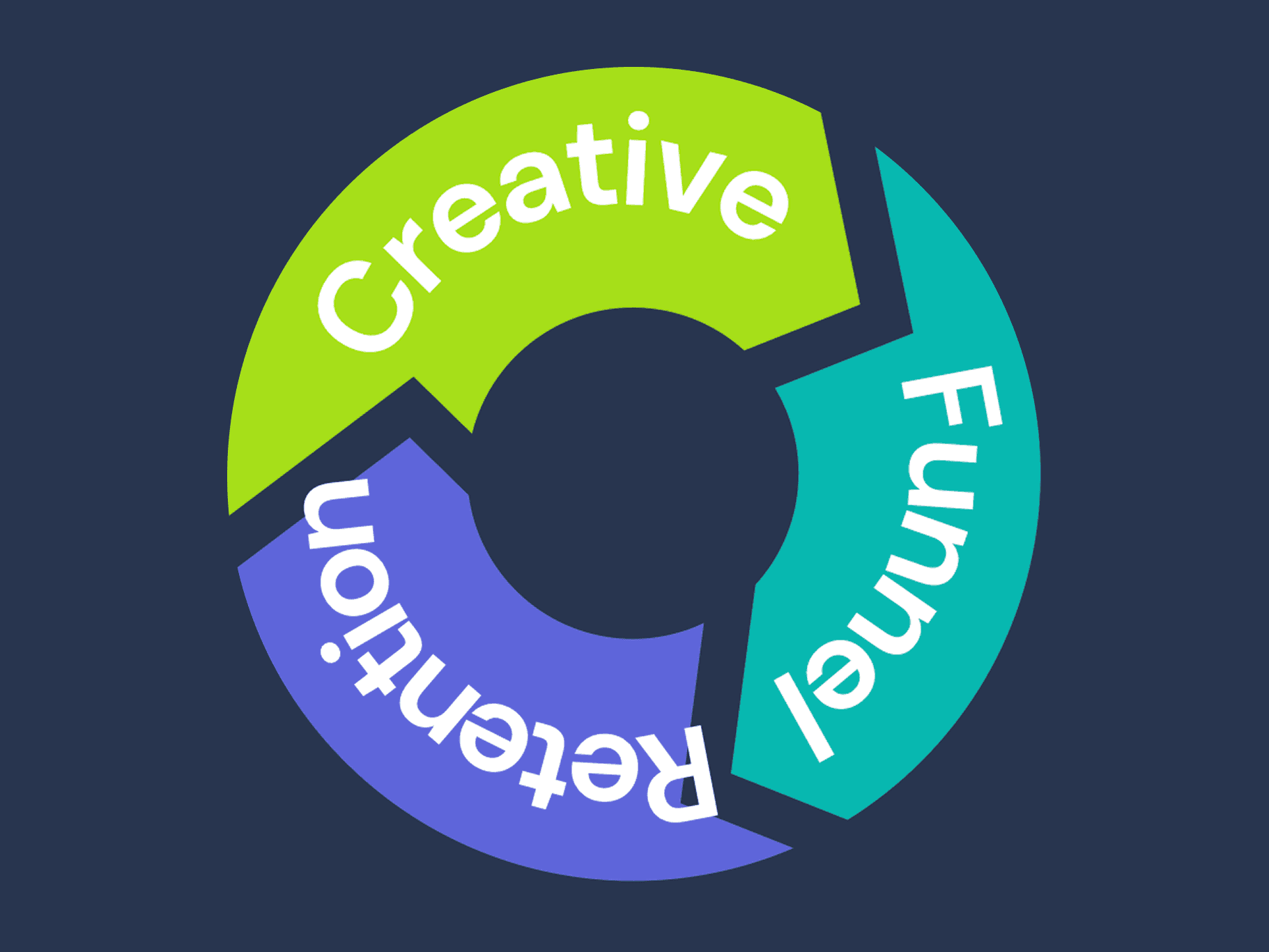
Ad Creative
Customers “get it” faster—so they click with intent and convert with less hesitation.
Your team stops panicking for “more ads” and starts testing the next highest-confidence angle.

Funnel and CRO
Customers feel safer saying yes—so more clicks turn into checkouts and bigger first orders.
Your team plugs the real decision friction from click → checkout → upsell without needing more spend.
Retention and Subscription
Customers see progress (and feel the value)—so they come back by choice and churn drops.
Your team turns one-time buyers into repeat buyers so revenue compounds month over month.
Most importantly:
GROWTH FLYWHEEL
Customers move from doubt → belief → habit faster—so each win lifts the next.
Teams build on what works, execution speeds up, fewer mistakes repeat, and growth becomes easier to maintain over time.
That’s how growth becomes a flywheel instead of a constant restart.
How Each Step Works:

Phase 1: Diagnose
Stop guessing, Start with the real constraint.
Most 7–8 figure DTC teams aren’t failing because they’re lazy…
They’re failing because they’re working hard on the wrong thing.
A new idea sounds smart. A new tactic looks exciting.
But if it isn’t designed to fix your customer’s hesitation point, it becomes: more tests → more noise → more stalled growth.
How does Phase 1 - Diagnose fix it?
We pinpoint where customer confidence breaks (hesitate, downsize, drop)…
then convert that into a focused set of actions your team can ship fast—so growth starts paying back again.
A preview of what's surgically installed:
During The Diagnosis Phase
Constraint Scan™ — pinpoints the single biggest confidence leak across creative, conversion, or retention
Triage Map™ — shows exactly where the breakdown happens across the customer journey and the internal handoffs
Prescription Backlog™ — collapses dozens of “could do” ideas into the few moves that matter, ranked by impact / effort / confidence
90-Day Treatment Plan™ — sequences the work so the next move is obvious (and compounding)
Win Criteria™ — defines success up front so results are clear and decisions are faster.
Phase 2: Optimize
Stop collecting tactics. Start installing frameworks.
Most teams try to fix stalled growth by copying what worked for another brand…
But if it wasn’t built for your customer’s hesitation point, your offer, or your constraint—
it becomes another test that doesn’t move commitment.
How does Phase 2 - Optimize fix it?
With a clear constraint from Phase 1…
we show your team how to remove the specific friction causing customers to hesitate, downsize, or drop.
Using scalable frameworks based on proven persuasion principles—
so more shoppers feel confident enough to buy now, buy bigger, and come back again.
A preview of what's surgically installed:
During The Optimization Phase
Winner Blueprint™ — deployable marketing
templates for creative/funnel/retention that can scale & iterate easily
Creative Prescription Protocol™ — a ready-to-run system that turns angles into winning
ads (no roulette)
Angle Cabinet™ — pre-loaded hook/objection/mechanism/proof menus you can pull from on demand
Claims Compliance Protocol™ — pre-approved phrasing + “safe proof” frameworks enforced before launch
Funnel Leak Closure Protocol™ — a conversion repair playbook applied to the 1–3 biggest money leaks
Offer Prescription™ — proven offer/bundle/upsell frameworks installed to lift AOV/LTV without regret
Retention Continuity Protocol™ — lifecycle + segmentation frameworks applied to make the experience seamless, personal, and trustworthy
Nursing Rounds™ — runs the weekly shipping cadence so tests launch without bottlenecks or thrash
Phase 3: Codify
Stop rediscovering what makes customers commit.
Even when teams find what works… execution slows, priorities shift, and momentum disappears.
Why?
Because most marketing systems capture tasks—not the customer behaviors that drove the win.
So the thing that moved shoppers from doubt → belief → habit
gets stuck in planning… and the next campaign starts from zero again.
How does Phase 3 - Codify fix it?
Once Phase 2 begins removing hesitation in live campaigns…
we codify the patterns that made customers feel safe enough to buy, buy bigger, or come back again.
Then install those patterns as repeatable plays—
so your team can apply what creates commitment across ads, funnel, and post-purchase.
What worked once becomes how you operate.
And performance starts compounding.
A preview of what's surgically installed:
During The Codification Phase
Attending Physician Playbook™ — hardwires the confidence patterns that win across creative, offers, funnel, and retention—so customers commit faster and the team doesn’t relearn the same lessons
Triage Authority Protocol™ — assigns clear decision rights at each “confidence moment” so work moves forward fast without meetings or bottlenecks
Vitals & Win Criteria Board™ — locks a shared definition of “win” tied to commitment (CVR, AOV, repeat/payback signals) so decisions are objective—not opinion-based
Pre-Op Quality Protocol™ — protects trust + compliance before anything ships (what must be true so confidence isn’t damaged)
Medical Records™ (Win Library) — turns what made customers buy/buy bigger/buy again into reusable plays—so wins compound instead of disappearing
Doctor’s Rounds Cadence™ — locks the weekly rhythm that turns insight into shipped improvements without leadership drag or constant restarts
Phase 4: Scale
Stop relying on heroes. Start compounding customer confidence across the company.
Most brands have pockets of brilliance… but those wins stay siloed.
Why?
Because companies share tasks and tactics—not the underlying customer truth that made people commit.
So teams keep re-learning the same failed lessons… and the wins that increase Revenue per Customer never spread.
Time gets wasted. Budget gets burned.
And CAC pressure stays high because confidence doesn’t compound.
How does Phase 4 - Scale fix it?
How Phase 4 — Scale fixes it:
Once Phase 3 codifies what makes customers buy, buy bigger, and buy again…
we scale it by aligning leadership, messaging, and execution across teams—so the same confidence patterns show up everywhere customers interact with the brand.
Your best learnings spread once.
They become the default.
And the math starts compounding across acquisition, funnel, and post-purchase.
A preview of what's surgically installed:
During The Scale Phase
So your E-Commerce Company's growth scales long after 90-day surgery:
Continuity of Care Flywheel™ — a closed-loop system that routes “what makes customers commit” into product, CX, ops, and leadership—so confidence improves everywhere, not just in ads
Graduated Expansion Protocol™ — governed escalation rules for scaling channels, audiences, and offers without breaking the customer experience (or stressing delivery)
Clinical Intelligence Transfer™ — translates customer-belief signals into actionable guidance for CX, product, fulfillment, and leadership—so teams reinforce the same promise customers bought
Autonomous Care Rhythm™ — the operating cadence that keeps confidence-building improvements shipping without escalation, intervention, or heroics
Institutional Medical Record™ — embeds wins and losses as permanent company memory—so you stop repeating the same mistakes and growth keeps compounding
Facts & Questions
1. Is this just another renamed framework or consultant methodology?
No — and that’s exactly why I don’t lead with a framework.
Most consultants sell the system first and hope reality fits later.
That’s backwards — because if the real point where customers hesitate isn’t diagnosed correctly, the framework won’t increase commitment… and CAC stays high.
2. Couldn’t we just figure this out ourselves if we had more time?
Most teams could — and that’s why they’ve already tried everything.
The issue isn’t intelligence.
It’s perspective on where customers hesitate across the funnel — and aligning around removing that hesitation so Revenue per Customer actually increases.
3. If our main issue is ads, CRO, or retention, why wouldn’t we just hire a specialist?
Because specialists fix what’s inside their lane.
If ads improve but the funnel breaks… or CRO lifts but retention leaks…
you didn’t fix growth — you just moved the hesitation downstream without increasing Revenue per Customer.
4. Is this fixing symptoms or the real problem?
Most “growth work” focuses on symptoms because they’re easier to spot — and easier to sell.
This work is about finding what’s preventing customers from committing — so fixes don’t create new problems elsewhere.
5. How do we know this works for a business like ours?
Because this approach is built specifically for direct-response, LTV-driven eCommerce brands at this stage.
Generic advice feels safe — but it usually ignores the behavioral realities of how customers decide to buy, buy bigger, and buy again.
4. Is this about marketing strategy, or ops/execution?
Actually… that question is part of the problem.
Pure strategy doesn’t ship.
Pure execution doesn’t scale.
D.O.C.S.™ works because it aligns the data, how decisions are made, and how strategy flows through ads, funnel, and retention — so customers feel confident enough to buy, buy bigger, and come back again.
5. Will this slow us down with more process and meetings?
No. Most meetings and processes exist because there isn’t enough clarity around what actually increases commitment.
Will there be some meetings and process? Yes.
But only ones designed to make decisions obvious — so teams spend less time talking and more time executing what removes hesitation.
6. Are you going to make us change tools or platforms?
No. This isn’t a SAAS pitch about swapping tools.
Most growth stalls aren’t caused by software —
they’re caused by unclear decisions around what increases customer commitment.
Swapping tools just gives teams something new to blame when Revenue per Customer doesn’t improve.
9. Will this make someone on my team look bad?
No. Systems create outcomes.
When the system fails to reinforce customer confidence, even strong people look ineffective.
This work fixes the system — not the people inside it.
10. Will this expose uncomfortable truths about our team?
Sometimes.
But those truths already exist — this just reveals where customers are hesitating sooner.
Avoiding them usually means staying stuck with CAC pressure longer than necessary.
11. How long does it take to see impact?
It depends on the constraint — which is why fixed timelines are usually nonsense.
Early impact typically shows up as:
fewer failed experiments
clearer signals that customers are committing faster
and improved payback — not just faster execution
Most teams see progress follow a pattern like this:
Weeks 1–3 — Diagnosis
The real hesitation point is identified, and the fix order is set.
Weeks 3+ — Optimization
The first round of high-leverage changes ships — focused on increasing commitment.
Days 30–90 — Codify & Scale
Improvements compound as the behaviors that increase Revenue per Customer become standard across the team.
If CAC Pressure Is Bleeding Profits…
And you’re tired of “growth hacks” that treat symptoms instead of fixing why customers hesitate…
It’s Time To Call The Doc

On this call, I’ll diagnose the #1 customer-confidence bottleneck in your business…
and show where your next 10–20% revenue lift is most likely hiding—by making each click worth more.
This isn’t a sales pitch.
No pressure.
No obligation.
You’ll leave with:
Clarity on what’s blocking customers from buying, buying bigger, or buying again
A prioritized next step (even if that step isn’t with me)